In this guide
A ningen dock is a one-day, self-paid checkup that's been part of Japanese life for decades. A standard day at an English-capable Tokyo clinic is listed at about ¥73,000 including tax, and about ¥145,000 with a head MRI and MRA. Those are prices for people living in Japan. Visitors without Japanese insurance often pay more: one national hospital charges them double. Japan's strengths are high standards and safety. Its main hurdle for Americans is language.
What the name means
"Ningen dock" means "human dry dock": like a ship, you come in for a full inspection.
What a standard day includes
Contents vary by center. A typical one-day course includes:
- Physical exam and medical history
- Blood and urine tests (lipids, glucose, liver and kidney function, thyroid, blood counts)
- ECG
- Lung function test
- Chest X-ray
- Abdominal ultrasound
- Stool test for hidden blood
- Eye and hearing tests
- Bone density (often)
- Stomach check by barium X-ray, or gastroscopy for an extra fee
- Sex-specific exams
Some centers add tumor markers as standard. As with any package, ask which items fit your age and history (see our over-screening guide).
Expect anything from a morning to most of a day, depending on the course, with fasting from the night before.
What it costs
| Example | Listed price (including tax) |
|---|---|
| Tokyo Midtown Clinic, standard checkup | ¥72,600 |
| Same clinic, with head MRI/MRA | ¥145,200 |
| Same clinic, executive courses | ¥330,000 and up |
These are prices for people living in Japan. Tokyo Midtown Clinic quotes visitors from abroad separately. The national hospital in Tokyo that was the National Center for Global Health and Medicine charges people without Japanese health insurance twice its listed price, and asks them to book through an approved agent that provides an interpreter. Ask any center for its price for visitors, in writing, before you book. For US dollars, convert at the day’s exchange rate.
The language gap
English support varies a lot. Some hospitals have international patient teams that speak English, and sometimes Chinese. Others ask visitors to book through an approved agent who provides the interpreter. Before booking, ask:
- Is an interpreter included, or extra?
- Will the final report be in English? When?
- Will I get my scan files (DICOM)?
- Who explains results to me before I leave?
Getting there
Americans can visit for up to 90 days without a visa, and the US travel advisory for Japan is Level 1. Japan is also the closest of the Asian checkup destinations to the US West Coast.
Sources
- St. Luke's: one-day exam list (PDF) dock.luke.ac.jp
- Juntendo: screening programs hosp.juntendo.ac.jp
- Japan Institute for Health Security hospital (formerly NCGM): Medical Examination Center hosp.jihs.go.jp
- Tokyo Midtown Clinic: examination fees and programs tokyomidtown-mc.jp
- Japan Handbook: full-body health screenings in Japan japanhandbook.com
Please note. Prices change; confirm current quotes with each center. General information, not medical advice.
Reviewed at least every three monthsNo paid placementsInformation, not medical adviceOur editorial standards
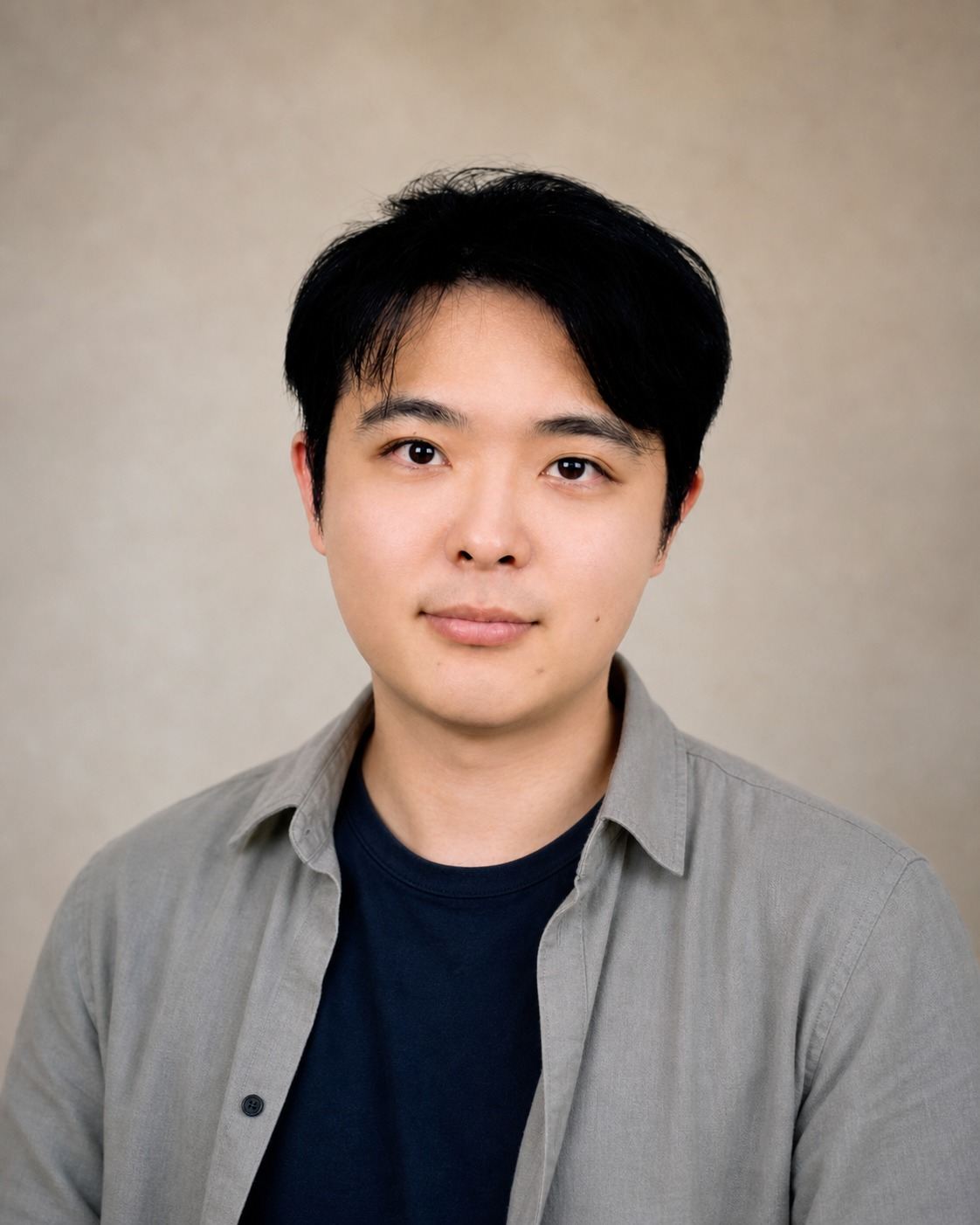
Joe Yang, PhD, Economics. Joe Yang holds a PhD in economics from the University of Washington. For four years Joe evaluated the costs and savings of US health programs for insurers and employers at a health-analytics company, and before that studied pricing and demand as an economist at Amazon and a data scientist at Oracle. These guides apply the same discipline to a simpler question: what care really costs, and where.