The night before
9:00 pm
The last meal, then a quiet evening.
Fasting usually starts around nine, and some centers ask you to stop drinking water later in the evening too. The instructions will be exact. Follow them exactly.
Destinations · Tokyo, Japan
Japan’s checkup takes most of a day, and it runs like the trains. This is a typical one, hour by hour, and where to go once it’s done.
Right now in Tokyo
–
Sunrise – · Sunset –
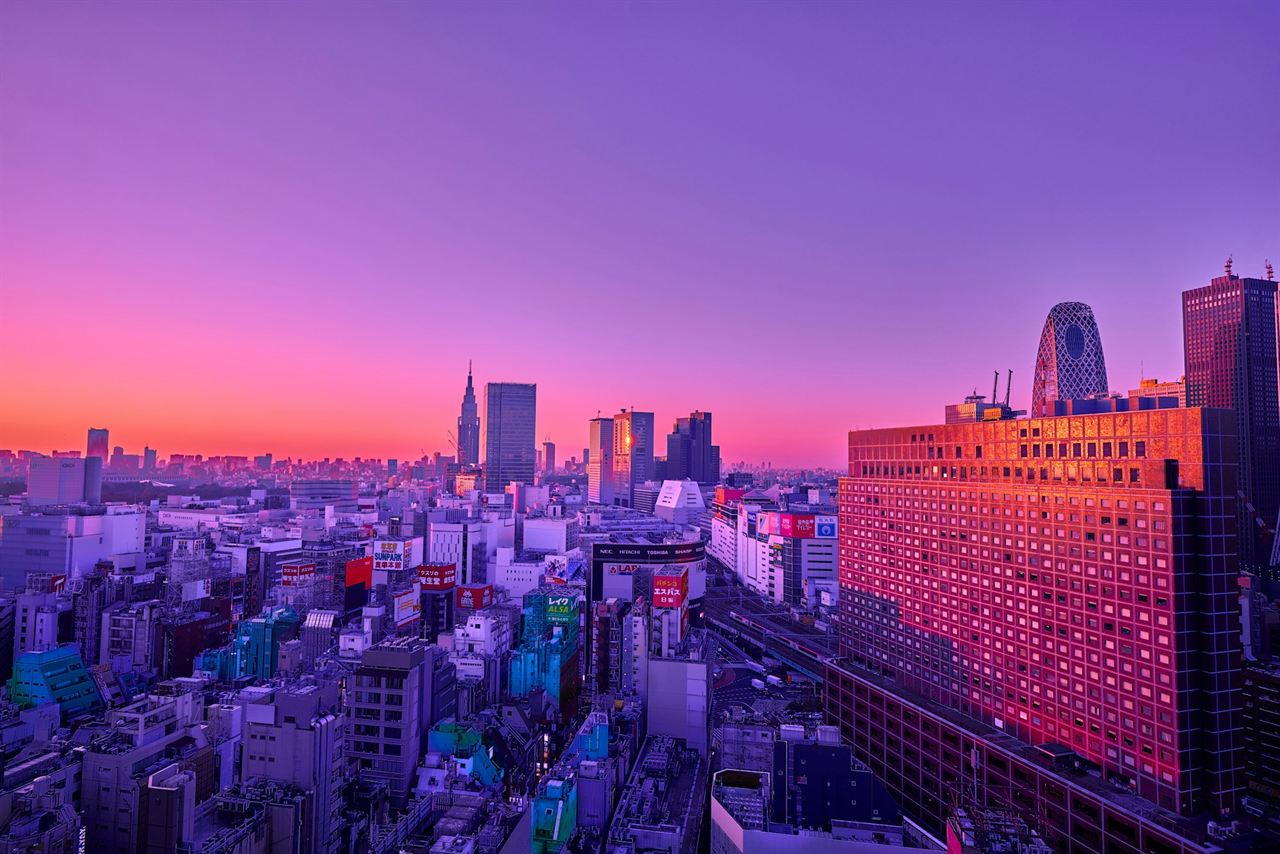
Tokyo skyline · Photo: Jezael Melgoza
About ¥73,000
A standard one-day checkup at an English-capable Tokyo clinic, tax included. That is the price for residents; visitors often pay more.
10½–14½ h
Nonstop from major US hubs. The closest of our three cities to the West Coast.
Level 1
US travel advisory: exercise normal precautions.
No visa
For stays of up to 90 days by US citizens. The main hurdle is language.
Read the ningen dock guideThe word
人間ドック
ningen dokku · a human dry dock
Ships are hauled into dry dock to be inspected from keel to mast; the name borrows the idea. The first one ran in Tokyo in July 1954, as a week-long hospital stay. Today it fits into a single day, and for many Japanese families it is simply routine maintenance.
Hour by hour
Times are typical of an English-capable center in central Tokyo. Yours will be set by your center and confirmed by your partner before you fly.
The night before
9:00 pm
Fasting usually starts around nine, and some centers ask you to stop drinking water later in the evening too. The instructions will be exact. Follow them exactly.
Checkup day
6:30 am
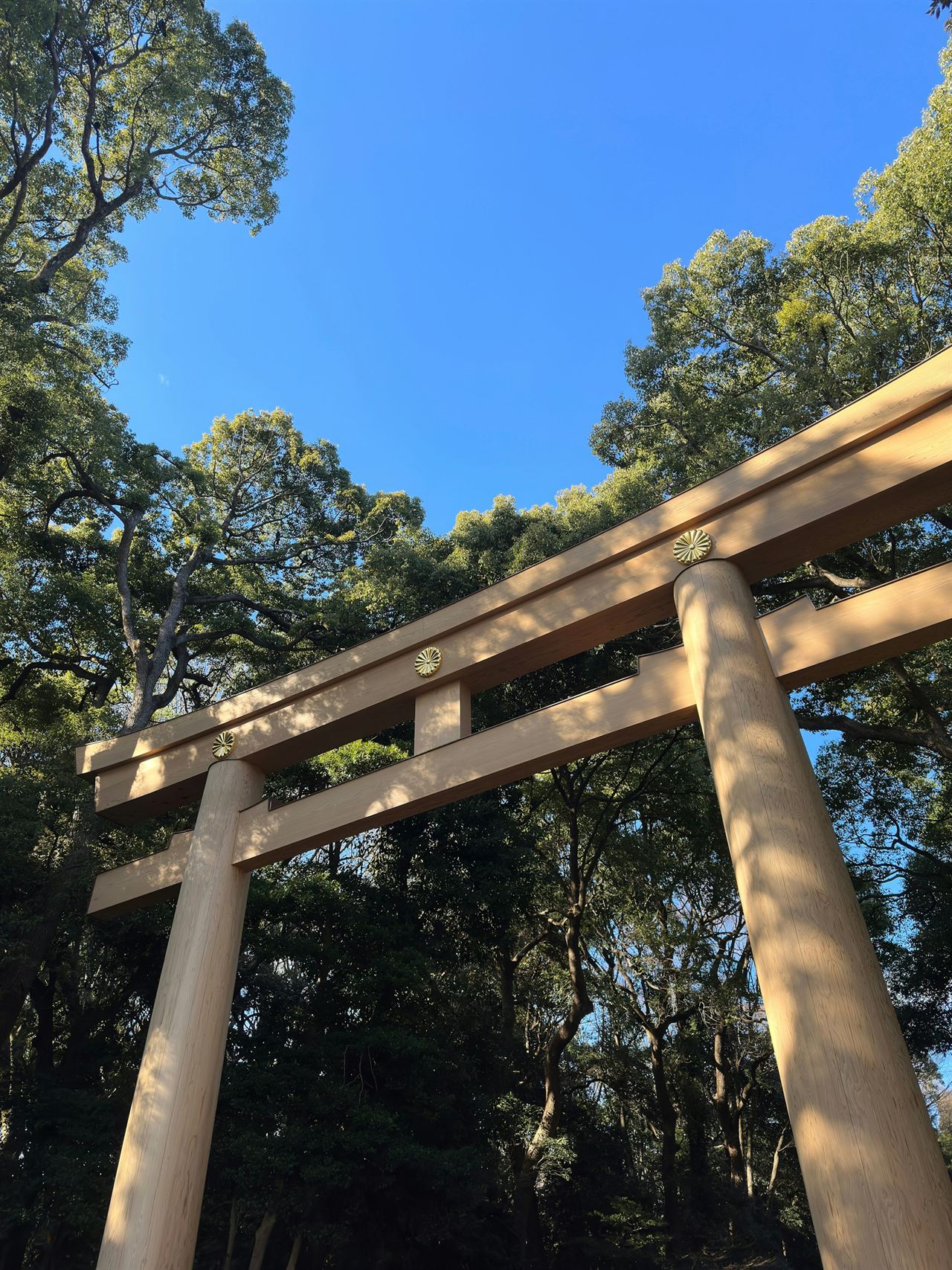
The shrine’s gates open at sunrise, and the gravel paths through its forest are almost empty. Across the city, in parks and schoolyards, people are doing the same radio exercises Japan has done every morning for nearly a century.
Checkup day
8:00 am
You change into the center’s examination wear and slippers. Most centers give you a file that travels with you from station to station; each one is checked off as you go. If an interpreter is part of your package, this is where you meet.
Checkup day
8:30–2
A standard course runs five and a half to seven hours: blood and urine, ECG, lung function, chest X-ray, abdominal ultrasound, eyes and hearing, often bone density. Your stomach is checked by barium X-ray or, for an extra fee, by a camera.
Checkup day
2:00 pm
Some centers explain results the same afternoon; others send them later. Before you book, we make sure you know which, who will interpret, and when your English report and scan files arrive.
Checkup day, 2:30 pm
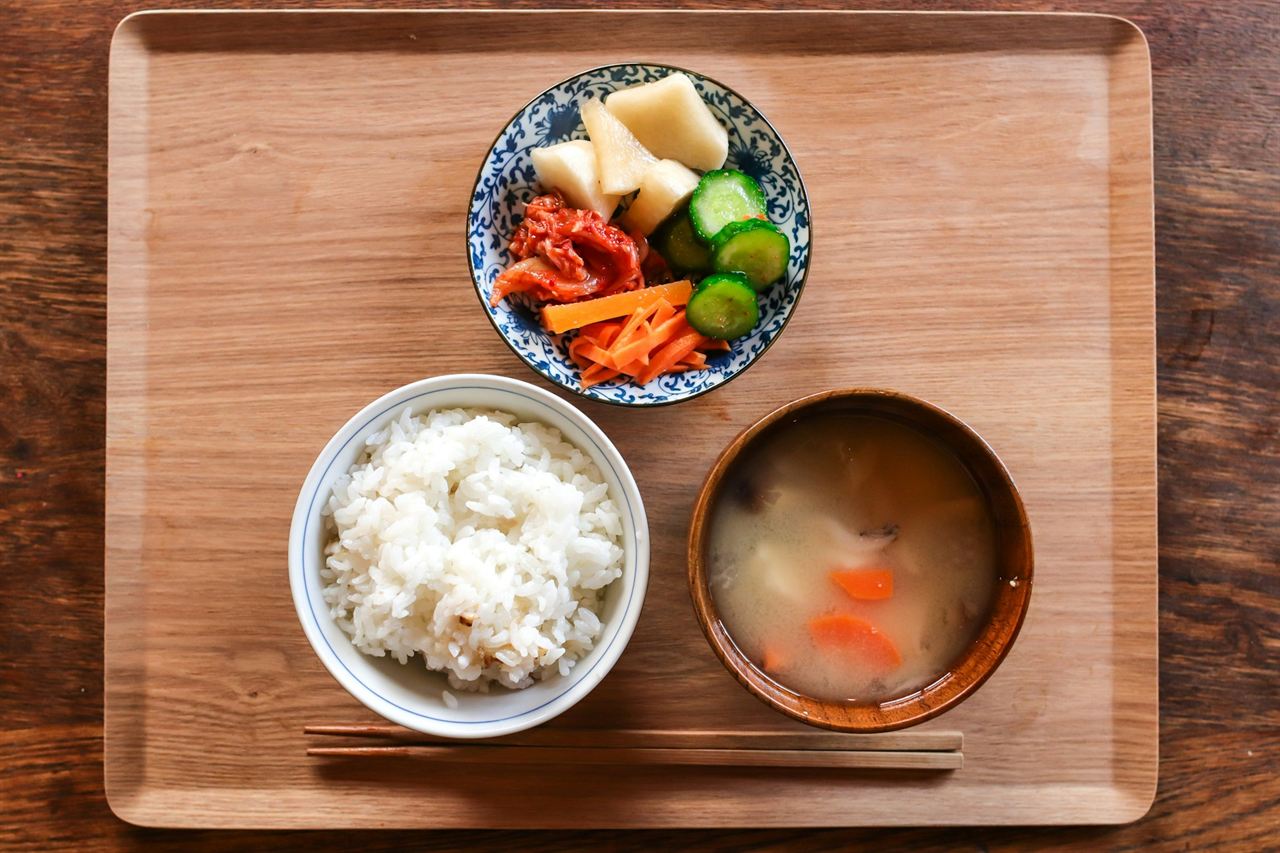
ご飯と味噌汁gohan to misoshiru, rice and miso soup
The plainest Japanese meal, and after a day without food, the right one: warm rice, a bowl of miso soup, a few sharp pickles.
If you had the barium X-ray, you will be given a laxative to clear it. Drink plenty of water, and stay close to your hotel this evening.
Checkup day
Late afternoon
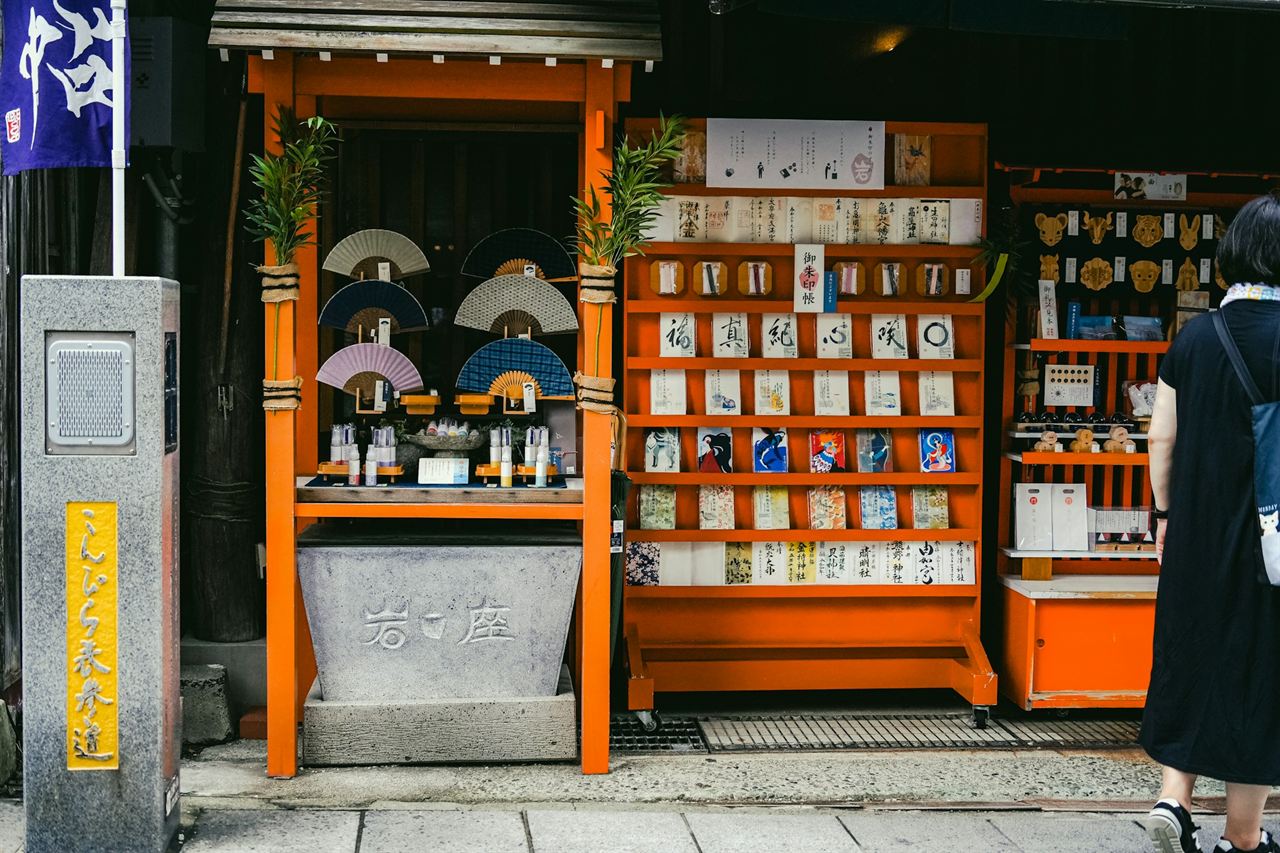
Almost every shrine sells omamori, small cloth charms for luck of one kind or another. The ones for health are called kenkō omamori.
By custom you return it to a shrine after a year, which is as good an excuse as any to come back.
Good to know
Precision, everywhere.
Trains leave on the minute, and so does your next station. Arrive at the center a little early.
Barium, not always a camera.
Many packages check the stomach by barium X-ray. If you would rather have an endoscopy, ask; it usually costs extra.
Quiet trains.
Phone calls on trains are frowned on. People read, text or sleep.
Few trash cans.
Public bins are rare. Carry a small bag and drop your rubbish at a convenience store or your hotel.
No tipping.
Leaving money behind can cause confusion. A bow and a thank-you are enough.
Tattoos and hot springs.
Some onsen still turn away tattooed bathers. Check ahead, or book a private bath.
Say it once
English can be thin outside the center, and people are endlessly patient with visitors who try. These four go a long way.
こんにちは
konnichiwa
Hello
ありがとうございます
arigatō gozaimasu
Thank you
大丈夫です
daijōbu desu
I’m fine, it’s okay
トイレはどこですか?
toire wa doko desu ka?
Where is the restroom?
The day after
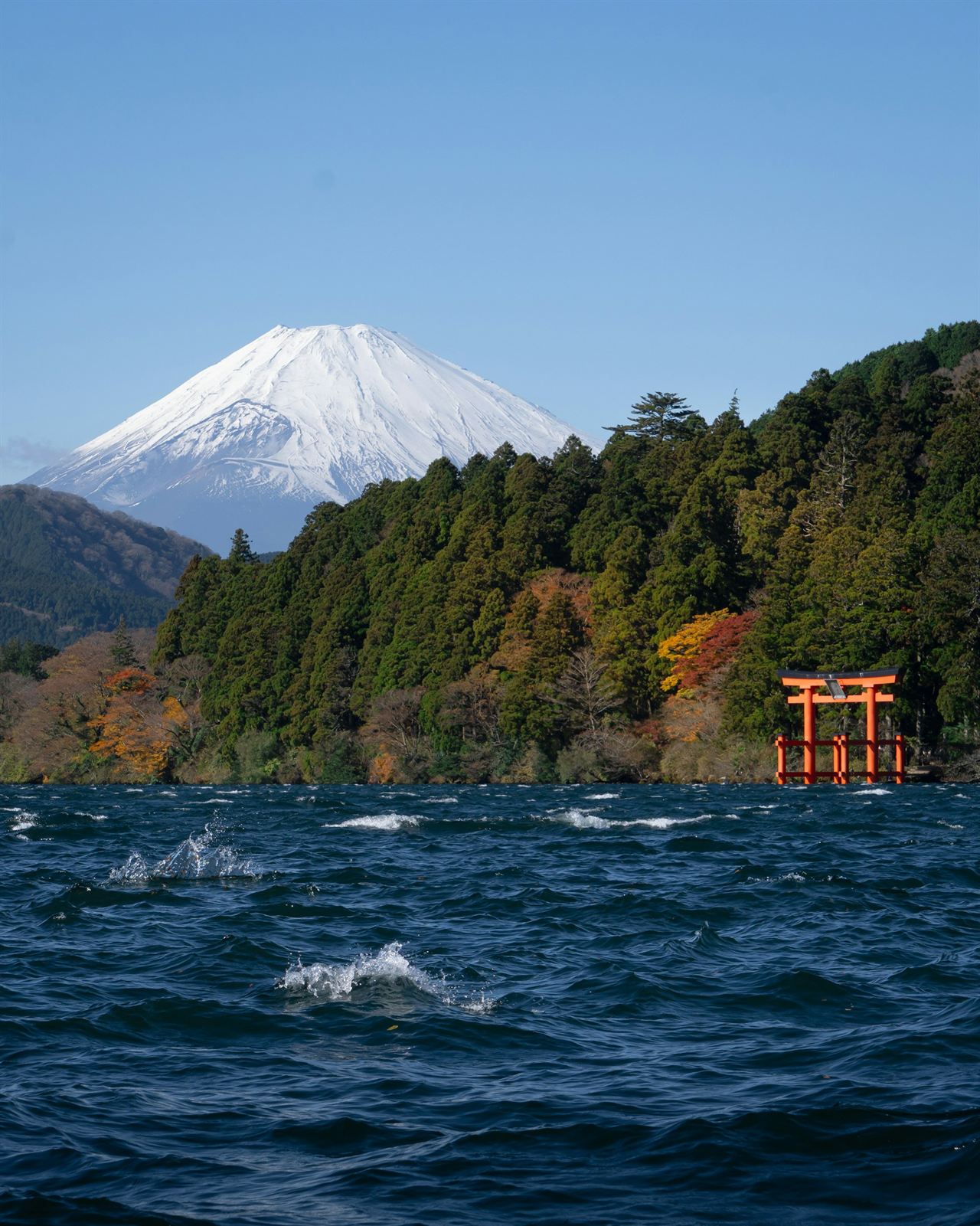
About 80 minutes from Shinjuku by express train, Hakone is where Tokyo goes to rest: hot springs, a mountain lake and, on a clear day, Fuji. Stay a night at a ryokan if you can. Dinner arrives in many small dishes, and nobody expects you to hurry.
Tsukiji Outer Market, early
Rolled omelet on a stick, fresh fish, and coffee standing up.
Yanaka
An old neighborhood of temples, small shops and cats.
A kissaten
An old-style coffee house: hand-poured, unhurried, often silent.
Suggestions only. We don’t sell tours, and we earn nothing from them.
Tell us when you can travel and what you want from a checkup. We will write back personally.
Plan a checkupA rainy night in Tokyo · Video: Mohammad Hedayet Sarker